The Best Time to Climb Toubkal: A Month-by-Month Guide
When should you climb Mount Toubkal? Weather, snow, crowds and trail conditions for every month, from spring flowers to winter ascents.
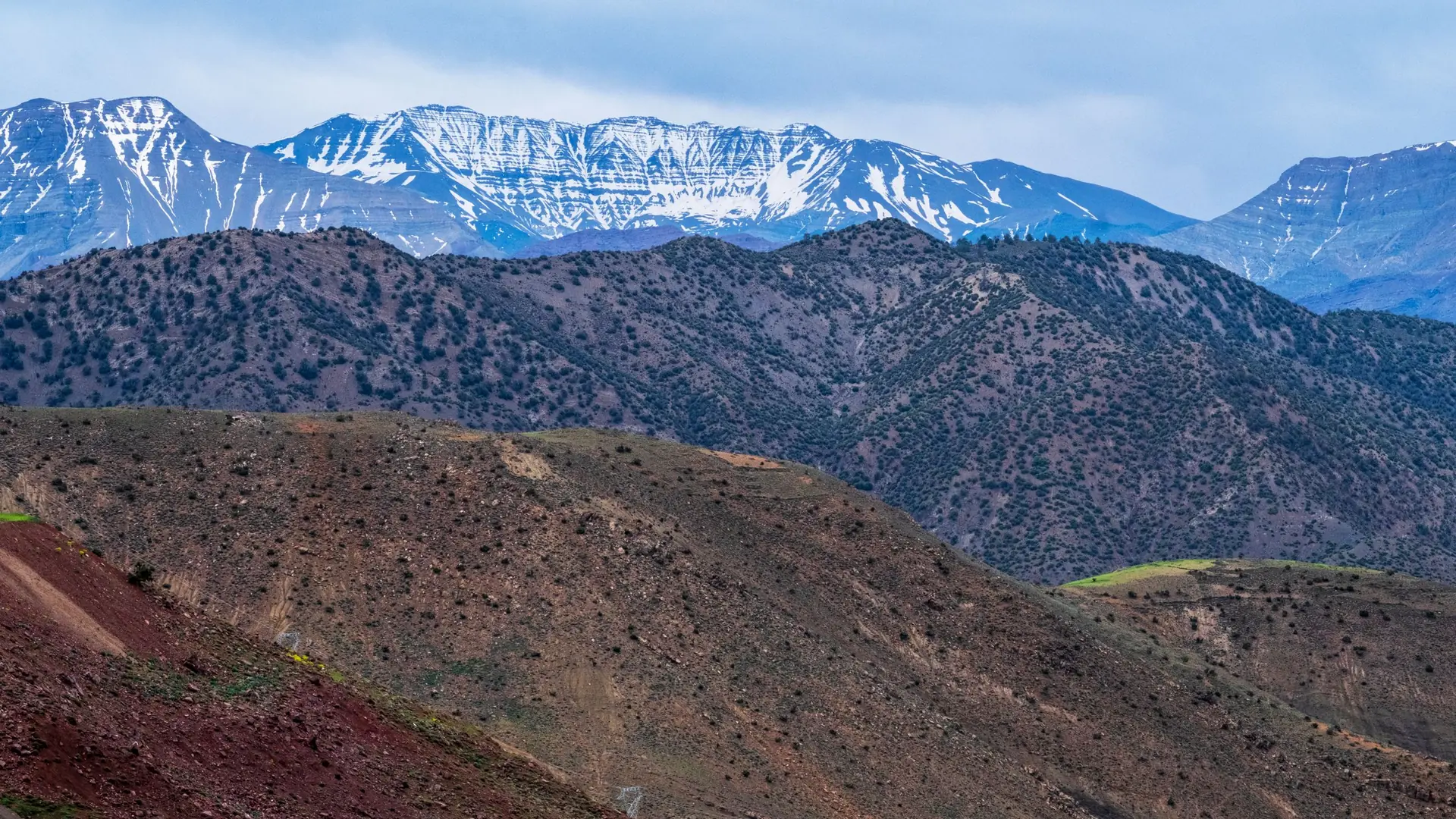
Toubkal can be climbed in every month of the year, but the experience changes a lot with the seasons. In spring the valleys are green and the high slopes still hold snow; in summer the summit is clear and warm by day; in autumn the light is golden and the trails are quiet; in winter the mountain becomes a proper snow climb. Here is what to expect, month by month.
Quick answer
For most first-time trekkers, the best time to climb Toubkal is from April to June or from September to October. These months combine mild days, cold but manageable nights and little or no snow on the route. Our Toubkal treks run all year, and the live forecast on our home page shows the conditions in Imlil and on the summit right now.
Spring: March, April and May
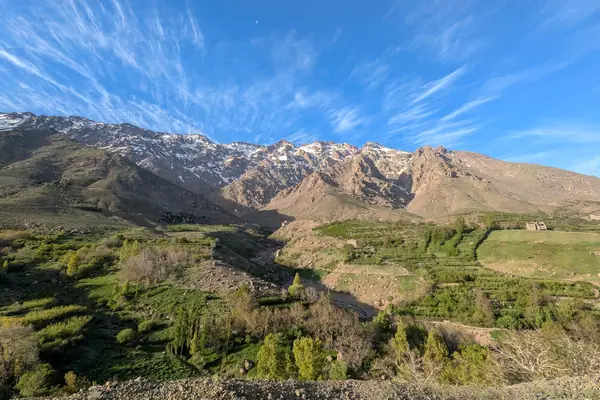
March is still winter on the upper mountain, with deep snow above about 3,000 m in most years. By April the snow starts to retreat, though it often lingers in the summit gullies; crampons may still be needed early in the month. May is one of the finest months: the valleys around Imlil are green, the orchards are in blossom, days are long and the summit is usually free of snow by the end of the month.
Early summer: June
June is stable and warm, with long days and generally clear skies. Marrakesh starts to get hot, so the mountains are a welcome escape. Summit mornings are still cold, often close to freezing at sunrise.
High summer: July and August
These are the busiest months on Toubkal. Marrakesh regularly passes 40 °C and the lower valleys are hot, but the refuge and the summit are pleasant, and the summit morning is cool and clear. Afternoon thunderstorms can build over the High Atlas, which is another reason to start early. Book refuge nights in advance in August.
Autumn: September, October and November
September and October are our favourite months: stable weather, clear air, warm days and quieter trails, with the walnut and apple harvest in the villages. In November the days shorten and the first snows usually arrive on the summit; some years it stays dry until December, others bring early winter conditions.
Winter: December, January and February
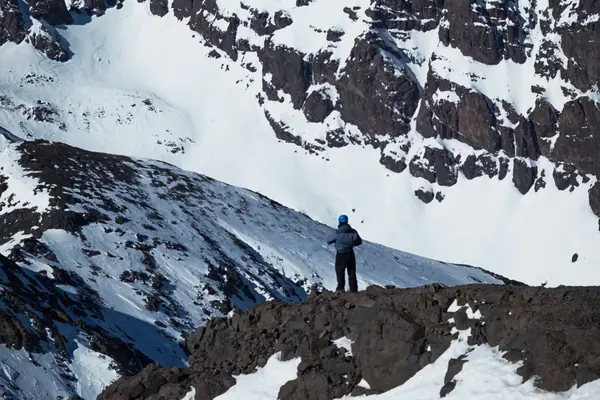
Winter turns Toubkal into a mountaineering ascent. Snow and ice cover the route above the refuge, temperatures on top can fall well below −10 °C and days are short. With crampons, an ice axe, a licensed guide and a flexible plan, it is a beautiful and quiet time to climb, but it needs more fitness and some experience of winter walking. Read more in our packing list, which has a winter section.
Month by month at a glance
- January and February: winter climb, snow and ice, very cold summit, quiet trails.
- March: winter conditions on top, valleys waking up.
- April: snow retreating, crampons possible early in the month, green valleys.
- May and June: among the best months, mild and stable.
- July and August: busy, hot in the valleys, clear summit mornings, possible storms.
- September and October: among the best months, stable and quiet.
- November: shorter days, first snow likely on the summit.
- December: winter climb begins.
What about Ramadan and holidays?
Treks run as normal during Ramadan, and your team makes sure you are fed. Moroccan and European school holidays bring more people to the refuges, especially in spring and August, so book early if your dates fall then.
Whatever the season, the weather in the High Atlas can change quickly. Your guide checks the forecast every evening and morning and has the final word on the summit attempt.