How Hard Is It to Climb Toubkal? An Honest Guide
How difficult is Mount Toubkal really? Fitness, altitude, terrain and winter conditions explained, with tips to make the 4,167 m summit easier.
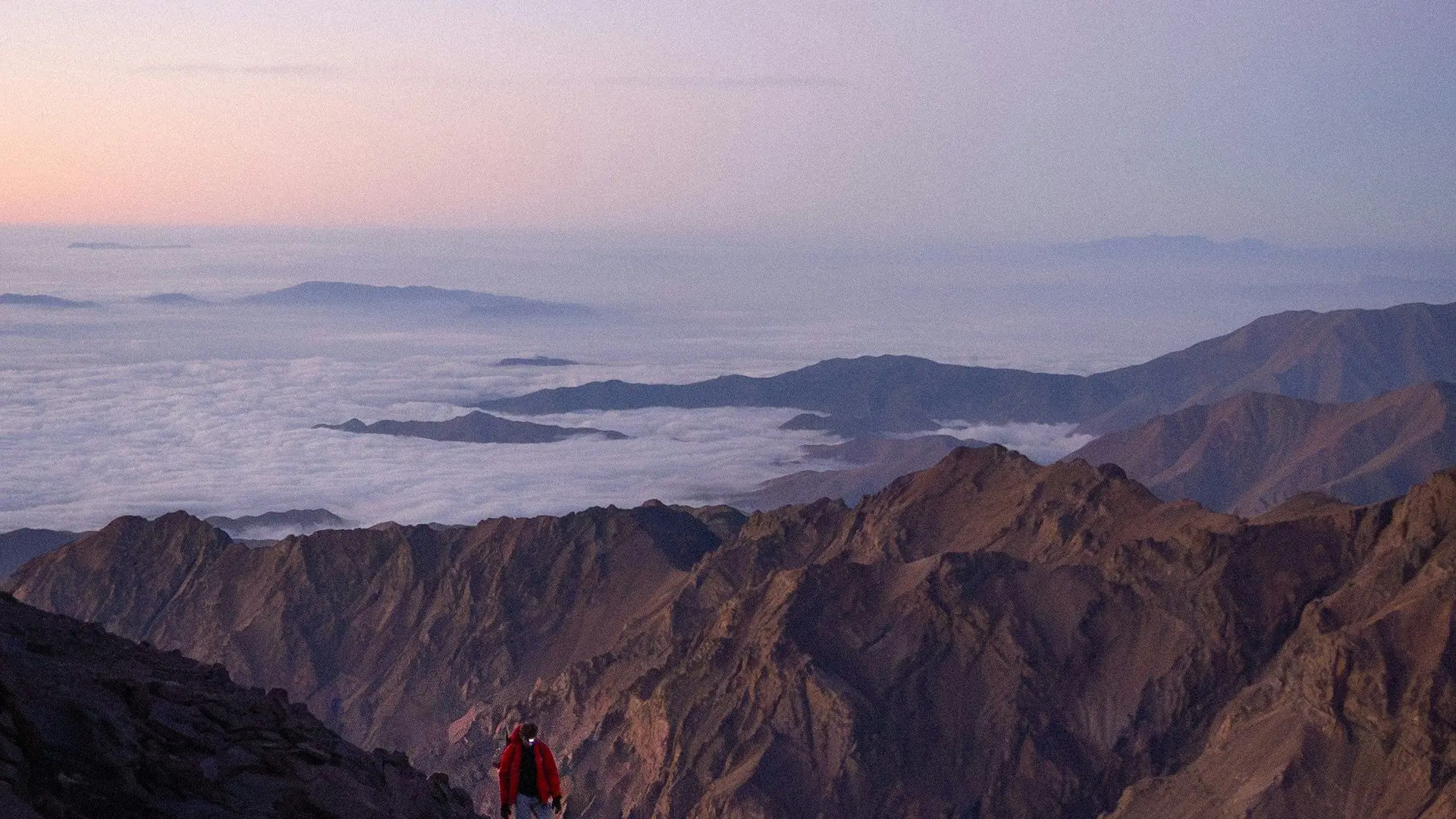
Jbel Toubkal is the highest mountain in North Africa, and at 4,167 metres it sounds intimidating. The good news is that for most of the year it is one of the most accessible high summits in the world: a long, steady walk on a clear path, with no technical climbing at all. The less good news is that "accessible" is not the same as "easy". Here is an honest look at what makes Toubkal hard, and how to make it easier.
Is Toubkal a technical climb?
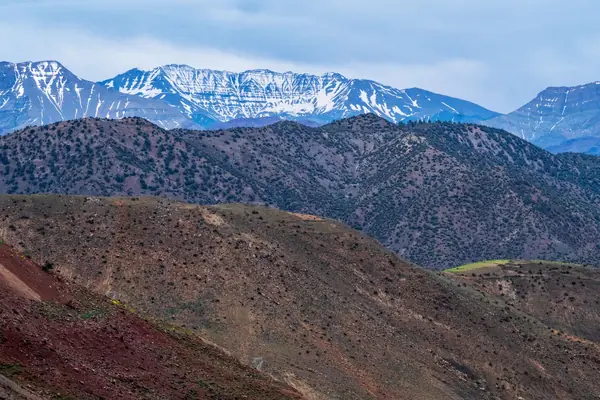
No, not in the normal season. From roughly April to November, the standard route from Imlil follows a mule path up the Mizane valley to the refuges at about 3,207 m, then a rocky, zigzagging trail up the south cirque to the col of Tizi n'Toubkal and along a broad ridge to the summit. You use your legs and your lungs, not ropes or harnesses. At a few points you step over boulders and walk on loose scree, but there is no exposed scrambling on the normal route.
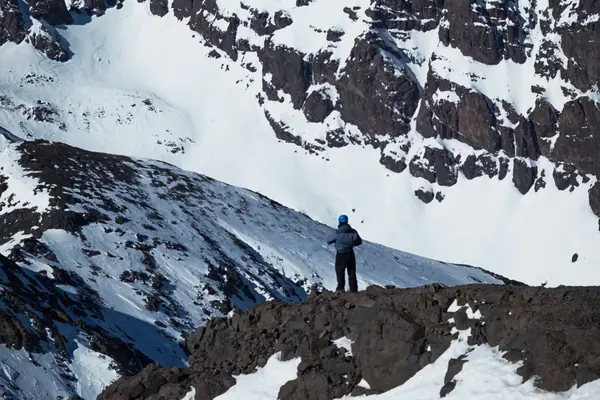
Winter is different. From December to March, and sometimes into April, the upper mountain is covered in snow and ice. The same route becomes a winter ascent that needs crampons, an ice axe and the skills to use them. Your guide teaches the basics, but previous experience of winter walking helps a lot.
What actually makes it hard
- Long days: the walk to the refuge takes 5 to 6 hours, and summit day is 8 to 10 hours on a 2‑day trek.
- Big height gains: from Imlil (1,740 m) to the summit is about 2,430 metres of climbing, and the same back down.
- Rocky ground: much of the path above the refuge is loose stones and scree, which is tiring going up and hard on the knees coming down.
- Thin air: above 3,500 m there is noticeably less oxygen, so you breathe harder and walk slower than you are used to.
- An early start: summit day begins around 4:30 to 5:30, often after a short night in a busy dormitory.
How fit do you need to be?
A useful test: if you can walk for 6 to 8 hours in hilly country at home, with a light pack, and still enjoy the next day, you have the fitness to reach the summit. Regular runners, cyclists and hikers usually find the walking manageable; the altitude is what slows them down.
If you have 4 to 6 weeks before your trip, train with long walks carrying a day pack, stair climbing and two or three cardio sessions a week. Practise walking downhill too: the descent from the summit is long, and strong legs make it far more pleasant.
The altitude: the part people underestimate
Many people feel the altitude above 3,000 metres: a headache, shortness of breath, poor sleep or loss of appetite. These symptoms are usually mild and pass as the body adjusts, but they make everything feel harder. The 2‑day trek gives your body very little time to adapt, which is why it feels much tougher than the distance suggests.
Severe headache, vomiting, dizziness or confusion are warning signs of acute mountain sickness, and the cure is to go down. A licensed guide watches for these signs and makes that call with you.
Five ways to make Toubkal easier
- Take more time: a 4‑day trek adds a day at moderate altitude before the climb, and most people find the summit morning far more comfortable.
- Go in the best season: April to June and September to October bring mild days and little snow. See our month-by-month guide.
- Walk slowly from the start: the people who reach the top comfortably are rarely the fastest on day one.
- Drink 3 to 4 litres a day and eat even when you are not hungry.
- Use trekking poles: they save your knees on the long descent.
Is a guide required?
Yes. Since 2019 the Moroccan authorities have required trekkers in the Toubkal area to be accompanied by an officially licensed mountain guide. Beyond the rule, a good guide makes the climb easier: they set a pace you can hold, choose the best time to start, read the weather and arrange mules to carry your bags, so you only walk with a day pack.
So, can you do it?
If you are healthy, reasonably fit and come in the right season, the answer is almost certainly yes. Choose the length of trek that fits your experience: the 2‑day trek if you are fit and short of time, three or four days if this is your first time at altitude. If you are not sure, ask us: we will give you an honest answer.